
What is Hybrid Working? Benefits and Challenges of Implementing Hybrid Working
Updated: Feb 25
Hybrid working is a flexible model that combines in-office and remote work, giving employees more control over their time and workspace, while also helping businesses optimize costs and sustainably improve productivity.
To further clarify the advantages and challenges of hybrid working, and what are the common hybrid working models for businesses, please read the details in the article below.
1. What is the Hybrid Working Model?
Hybrid working is a flexible model that allows employees to combine working in the office and remotely (such as at home or in shared spaces). This model helps employees balance work and life, reduce commuting time, increase productivity, and helps businesses optimize office costs and attract talent.
In Vietnam, Hybrid Working has begun to gain popularity following the digital transformation and remote work phase after Covid-19, especially in industries such as IT, Marketing, Consulting, and Creative. It is projected that by 2026, this model will become the "new standard working environment" in many businesses, rather than just a temporary solution.
Popular Hybrid Working models currently include:
Flexible Hybrid Work: This is the most flexible model, allowing employees to decide their own work days in the office and remote work days. Businesses primarily manage employees based on work results rather than time spent at the office. This model is suitable for environments that prioritize autonomy and individual responsibility.
Fixed Hybrid Work: This model clearly defines the work schedule, for example, 2-3 days in the office and the remaining days working remotely. This approach helps maintain team cohesion while ensuring flexibility. This model is commonly applied in medium and large-sized organizations.
Office-first Hybrid Work: This is an office-centric work model where employees primarily work in the office and only work remotely when absolutely necessary. This model is suitable for businesses that prioritize direct interaction and organizational culture.
Remote-first Hybrid Work: This is a remote-centric work model where the office plays a supporting role for essential activities. This model requires substantial investment in technology and is suitable for businesses with dispersed teams.

2. Outstanding Benefits of the Hybrid Working Model
Hybrid Working offers parallel benefits for both businesses and employees, from optimizing resources to enhancing the work experience.
For businesses: Optimizing costs and resources
Reducing operating costs: Businesses can reduce office space, electricity and water costs, maintenance, and related services. Instead of investing in furniture for all employees, businesses can reduce the quantity but improve the quality of each item. With the same budget, the value and durability are better optimized.
Expanding the talent network: This model helps businesses access high-quality human resources in many different provinces, cities, or countries without being limited by geographical location. This is especially important in the context of increasingly fierce competition for personnel.
Increased adaptability: The Hybrid Working model helps businesses be more flexible in the face of market fluctuations, epidemics, or crises. Business operations can remain stable even when changes in working methods are needed.
For employees: Balance and performance
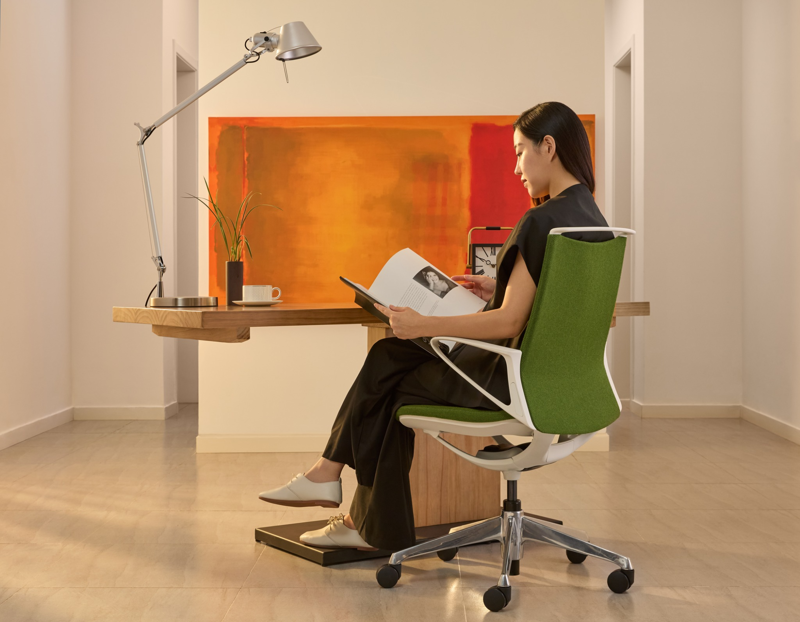
Improved Work-Life Balance (WLB): Employees save an average of 1-2 hours per day by avoiding traffic congestion in main cities. This time can be reinvested in family, rest, and healthcare, reducing the risk of burnout.
Increased work efficiency: Hybrid Working is particularly suitable for jobs that require critical thinking and creativity, such as IT, Marketing, Design, Data Analysis, and Content Writing. Employees can choose a work environment that suits each task, thereby improving output quality.
Increased focus: Remote work minimizes unnecessary interruptions such as office noise or unexpected meetings. Employees can focus more deeply on tasks requiring high-level thinking.
Saving on personal expenses: Hybrid Working helps reduce travel costs, eating out, and other expenses associated with working full-time in the office. In the long run, this is a clear financial benefit for employees.
3. Challenges when businesses implement Hybrid Working
Besides the benefits, the Hybrid model also presents several challenges that businesses need to consider when applying it:
Fading Culture and Engagement: Infrequent face-to-face interaction can lead to employee alienation, reduced team spirit, and diminished long-term commitment if the company lacks a suitable culture-building strategy.
Information Security Risks: Data accessed from multiple devices and locations increases the risk of information leaks. Businesses need to invest in security infrastructure and rigorous control processes.
Difficulties in Management and Evaluation: The Hybrid model requires managers to shift from time management to results-based/performance-based management. If KPIs are unclear, performance evaluations may lack fairness and transparency.
Blurring the Lines Between Work and Life: Working from home makes it difficult for many employees to disconnect after work. Without clear guidelines, prolonged work pressure can negatively impact mental health.

So, should Vietnamese businesses implement the Hybrid Working model? Whether or not a business should implement the Hybrid Working model depends on its specific characteristics. Businesses with the following characteristics should consider it:
Some suitable industries include: Information Technology (IT), Marketing, Creative, Consulting, and Design. Conversely, if the business is in the direct manufacturing, healthcare, hotel-restaurant sectors, or requires 100% direct interaction with customers at the point of sale, implementing Hybrid Working will be very difficult and may diminish the customer experience. |
4. Frequently Asked Questions about the Hybrid Working Model
To better understand the flexible working ecosystem surrounding Hybrid Working, here are some common questions that businesses are interested in.
1 - What is Remote Working?
Remote Working is a model that allows employees to perform their work outside the traditional office without being limited by geographical location. Workers can work from home, in coworking spaces, or anywhere with an internet connection.
This model focuses on output rather than time spent in the office. Remote working also fuels the growth of the Digital Nomads trend – people who work remotely while moving and living in different countries. According to McKinsey research, up to 87% of employees are willing to choose remote work when given the opportunity to improve work-life balance. (1)

2 - What is a Coworking Space?
Coworking Space is a shared workspace model where many businesses and individuals such as startups or freelancers work together in an environment that shares resources and amenities.
More than just an office, a Coworking space also forms a connected community, encourages knowledge exchange, and promotes creativity in work. Sharing infrastructure helps members optimize operating costs effectively. The predecessor of Coworking spaces was "Hackerspaces". A prime example is C-base in Germany (1995), created to serve the shared work needs of the hacker community.
In Vietnam, one of the standout coworking spaces not to be missed is Designers Hub Coworking Offices. Design Hub is a modern coworking space where more than 200 members connect and create in a professional environment, fully furnished with advanced Okamura interiors.
A key highlight of Design Hub is its spacious and flexible event hall, perfectly suited for hosting seminars, panel discussions, workshops, and a variety of other events.
Discover the design of Designers Hub Coworking Offices with Okamura furniture here:

5. Okamura - The "Key" to a Successful and Sustainable Hybrid Working Model
Okamura is a high-end office furniture brand from Japan, with over 80 years of experience in researching and developing human-centered workspaces. The highlight of Okamura's products lies in its ergonomic philosophy, built on scientific research on posture, movement, and user health.
In a Hybrid Working model, where employees frequently alternate between working in the office and working from home, a high-quality ergonomic office chair plays a particularly important role. Okamura's ergonomic chair lines are designed to provide optimal body support in various workspaces, helping users maintain proper posture and stable performance regardless of location.
Key advantages of Okamura ergonomic chairs when used in Hybrid Working include:
Natural spinal support, reducing pressure on the back, neck, and shoulders during prolonged sitting.
Easily adjustable to suit individual body shapes and work habits.
Increased concentration thanks to comfort, reducing muscle fatigue and stress.
Not only ideal for professional office environments, the chair is also a perfect choice for home office spaces, fully meeting functional needs while enhancing the refined aesthetics of the workspace.
Contributes to long-term health maintenance in a Hybrid working environment.

To help businesses and customers easily compare and choose the right chair for a Hybrid environment, below is a summary of typical Okamura chair models along with their outstanding features and design:
Chair Name | Features and manufacturing location | Style |
Place of design: Italdesign (Headquartered in Moncalieri, Turin – Italy) | The product harmoniously combines soft organic lines and modern technology, highlighted by a slender, elegant backrest. The refined design, born from the collaboration between Okamura and Italdesign (Italy), delivers a distinctive touch of elegance. The product seamlessly complements a wide range of contemporary workspaces. | |
Place of design: Italdesign (Headquartered in Moncalieri, Turin – Italy) | Designed according to the automotive industry philosophy, emphasizing simplicity and a rational layout to enhance overall beauty. The chair features a modern design, created in collaboration between Okamura and Italdesign. It offers refined aesthetics and flexible color customization options to suit a wide range of workplace styles. | |
Place of design: Italdesign (Headquartered in Moncalieri, Turin – Italy) | The product is the result of a collaboration between Okamura and Italdesign (Italy), reflecting the philosophy of "beauty combined with functionality." The design stands out with its flexible ring structure, which both hugs the body for stability and allows for flexible reclining, maintaining a natural sitting posture. | |
| The Sphere chair is a pioneering model using environmentally friendly Re:net fabric. This is an ergonomic chair line using Re:net fabric recycled from used plastic bottles and fishing nets, contributing to reducing environmental waste while ensuring comfort and durability. | |
| The product captivates users with its minimalist yet sophisticated design language, showcasing meticulous attention to detail in every line. The highlight lies in its unique dual-frame back structure: The inner frame shapes and supports the spine. The outer frame is flexibly adjustable, accommodating all body types – from broad shoulders to narrow shoulders. | |
Place of design: ITO Design (Headquartered in Germany) | Inspired by natural structures, the chair utilizes a hexagonal frame to optimize material usage while ensuring durability and balanced load-bearing capacity. This product is a collaboration between Okamura and ITO Design (Germany), bringing a modern and distinctive design spirit. |
Hybrid working is not just a passing trend but is gradually becoming a sustainable working model for modern businesses. Understanding what hybrid working is, choosing the right model, and investing wisely in workspace and tools will help businesses optimize efficiency, retain talent, and adapt flexibly to the future.
With its human-centered ergonomic philosophy, Okamura is the ideal partner for the effective and sustainable implementation of hybrid models!